How Can Homeowners Prepare Their Property for a Successful Remodel?
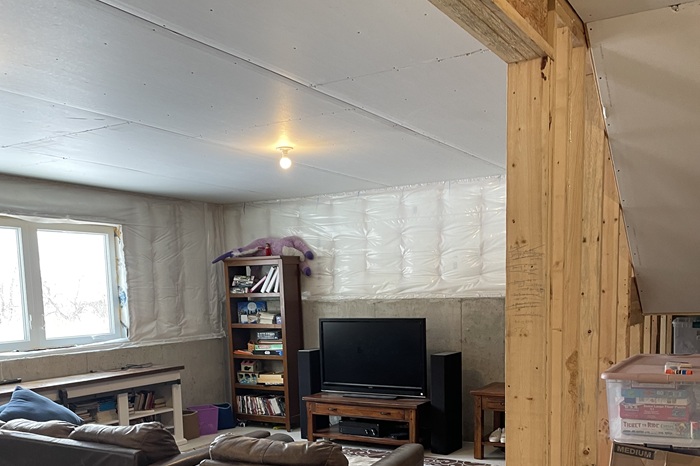
A home remodel can transform how a property functions, looks, and feels—but the outcome depends heavily on preparation long before the first tool is unloaded. Homeowners who take time to plan logistics, protect their interiors, establish communication systems, and clarify scheduling expectations often experience smoother projects with fewer disruptions. Careful preparation reduces delays, protects finishes, and supports a safer work environment for both residents and crews.
Understanding what to do before construction crews arrive, how to safeguard interior spaces, how to manage mid-project changes, how much scheduling notice is appropriate, and how to handle waste removal are all critical components of a successful remodel. These steps are especially important in large-scale projects such as a full remodel, where multiple trades, materials, and inspections must align. As highlighted by Tschida Construction, thoughtful planning and coordination are key factors that separate stressful renovations from well-managed ones. The sections below explore each of these topics in detail.
What to Do Before Construction Crews Arrive for a Remodel
Preparing your home before construction begins directly impacts safety, efficiency, and timeline control. Homeowners should start by clearing the work zone completely. This includes removing furniture, wall décor, electronics, and personal belongings from adjacent rooms if demolition or structural changes are involved. Dust migration during remodeling is well-documented; fine particulates can travel through HVAC systems and open framing cavities. Protecting mechanical systems by replacing filters and sealing vents in the work area reduces contamination risk.
Utilities and access points must also be addressed before crews arrive. Confirm where shutoffs are located for water, gas, and electricity. Ensure clear driveway access for material deliveries and dumpster placement. Construction staging requires space for tools, saw stations, and material storage. In residential projects such as kitchen or basement renovations, establishing an alternate cooking or living space ahead of time minimizes disruption. Professional contractors typically provide a pre-construction checklist outlining these requirements.
Documentation is another critical step. Photograph existing conditions of floors, trim, and adjacent finishes. This creates a record of pre-project conditions and protects all parties. For homeowners preparing for a large-scale remodel, aligning expectations about working hours, parking logistics, and neighborhood considerations helps prevent avoidable friction once work begins.
How to Protect Your Home’s Interior During a Major Renovation
Interior protection during renovation centers on dust control, surface shielding, and environmental containment. Construction-grade plastic barriers, zip walls, and negative air machines are widely used to limit airborne debris. Studies from the EPA confirm that fine particulate matter generated during demolition can remain suspended for extended periods, making containment critical in occupied homes.
Floor protection should match the project scope. Ram board or heavy-duty floor protection panels prevent gouging from dropped tools and material movement. Staircases require tread covers and handrail padding. If remodeling involves structural changes, vibration can affect drywall seams and fragile finishes in nearby rooms. Removing delicate décor and securing shelving reduces damage risk.
HVAC isolation is another necessary precaution. Sealing duct openings and using temporary filters prevents dust from circulating throughout the house. In colder climates like Minnesota, maintaining climate control while sections of the home are opened for work requires coordination to avoid moisture intrusion. Professional builders in Chanhassen plan containment strategies carefully to protect both the renovation area and the remaining living spaces.
Best Practices for Communicating Changes Mid-Project
Change management is one of the most complex aspects of residential remodeling. Industry data shows that scope changes are among the leading causes of cost increases and timeline extensions. The most effective way to manage mid-project adjustments is through written documentation. Every modification should be formalized in a change order that outlines scope revisions, material substitutions, labor impacts, and cost differences.
Clear communication channels must be established at the beginning of the project. Homeowners should know who the primary point of contact is—typically a project manager or site supervisor. Scheduled progress meetings reduce misunderstandings and provide structured opportunities to address questions. Digital project management platforms are increasingly used to track selections, approvals, and budget updates in one centralized location.
Timely communication is critical. Requesting changes after materials are ordered or installed increases expense and delay. Discuss potential design uncertainties early, particularly in areas involving cabinetry layouts, plumbing relocations, or structural modifications. Maintaining documented approvals protects both homeowner and contractor from disputes and keeps the renovation aligned with the agreed scope.
How Much Notice Is Appropriate When Scheduling Construction Work
Scheduling expectations depend on project size and trade coordination. Smaller interior updates may require several weeks of lead time, while full-scale renovations often require months of advance scheduling. Material procurement timelines significantly influence start dates. Custom cabinetry, specialty windows, and structural components frequently have lead times ranging from 6 to 16 weeks.
Contractors typically finalize schedules only after permits are approved and major materials are confirmed. Municipal permitting timelines vary by jurisdiction and can affect project mobilization. In Minnesota municipalities, residential building permits may take several weeks for review depending on project complexity.
Homeowners should provide prompt selection approvals to prevent delays. Late material decisions can shift installation windows and affect subcontractor coordination. Clear scheduling notice benefits everyone involved, allowing trades to align availability and maintain workflow continuity.
How to Manage Waste Removal and Cleanup During Construction
Construction waste management requires planning for debris containment, disposal compliance, and site cleanliness. Most remodels generate substantial waste, including drywall, lumber, packaging materials, and demolition debris. Renting a properly sized dumpster prevents unsafe pileups and reduces environmental exposure.
Local regulations govern disposal of certain materials. Treated lumber, appliances, and hazardous materials such as old insulation or paints may require special handling. Responsible contractors follow state and county waste disposal guidelines to ensure compliance. Maintaining a clean job site reduces injury risk and improves overall efficiency.
Daily jobsite cleanup practices are essential. Sweeping walkways, removing protruding nails, and organizing materials minimize hazards for occupants. For larger residential projects, homeowners can coordinate directly with Tschida Construction to understand how debris removal schedules align with construction phases and local disposal requirements.
Plan Your Remodel with Confidence
Preparing for a successful remodel requires planning, coordination, and experienced oversight. From pre-construction preparation and interior protection to structured communication and organized waste management, each phase plays a role in keeping your project efficient and controlled. Tschida Construction applies proven construction management practices to guide homeowners through every stage of renovation.
Tschida Construction serves homeowners throughout the Chanhassen area with structured scheduling, transparent communication processes, and detailed project planning. Their team understands the logistics behind staging, containment systems, permitting coordination, and responsible debris handling.
If you are planning a remodel and want experienced guidance on preparation, scheduling, and execution, call 952-201-4190 or contact us today. Tschida Construction provides the expertise needed to move from planning to completion with clarity and confidence.