Pergola vs. Gazebo: Key Differences in Shade, Design & Cost
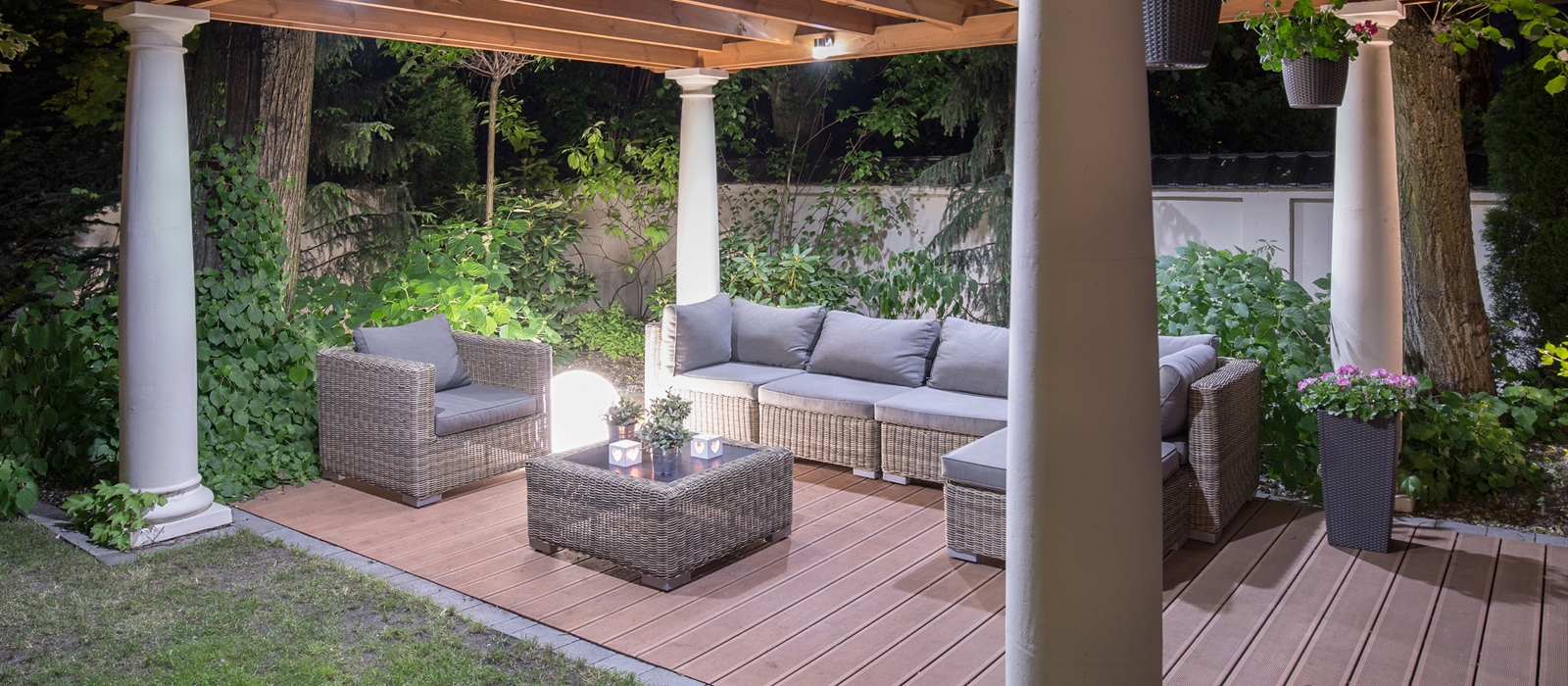
When enhancing an outdoor space, homeowners often weigh the differences between two popular structures: pergolas and gazebos. Both offer aesthetic appeal and functional benefits, but they serve different purposes and suit different needs.
Pergolas feature open beams and slatted roofs, often designed to define a space while maintaining a semi-open environment. Gazebos, by contrast, offer full coverage with a solid roof, making them better suited for complete shelter. This fundamental difference plays a significant role in how each structure performs in terms of shade, durability, and overall versatility.
In this article, we’ll explore key considerations that differentiate these two structures. We'll start by comparing their ability to provide shade, then explore how structural requirements differ as well as reviewing which option is more cost-effective over time. If you're considering an upgrade, start by checking out our premier pergolas for design inspiration and lasting value!
Maximizing Shade: Pergola vs. Gazebo
When it comes to providing shade, gazebos offer full coverage by design. Their solid roofs—typically made from wood, asphalt shingles, or metal—create a completely shaded environment underneath. This makes them ideal for areas that demand total sun protection throughout the day. Gazebos also offer shelter from rain and can be used year-round in many climates if paired with additional enclosures.
Pergolas, on the other hand, are constructed with open-beam or slatted roofing. This design provides partial shade, with the amount varying based on the spacing and angle of the slats. While some pergolas are built with retractable canopies or climbing vines for added coverage, they still do not offer the full overhead protection a gazebo can. Pergolas are better suited for those who prefer filtered sunlight or want to preserve an open-air feel.
Ultimately, if maximum shade is the priority, gazebos are the more effective choice. For a balance of light and structure, pergolas offer a stylish alternative. Tschida Construction installs premier pergolas tailored to provide both beauty and optional shading enhancements.
Comparing Structural Requirements of Pergolas and Gazebos
The structural demands of pergolas and gazebos vary significantly due to their design and intended use. Gazebos require a solid foundation—typically a concrete pad or a deck structure—due to their enclosed nature and roof load. The roof’s weight and the added wind resistance from walls or railings demand robust support and precise anchoring. This also involves compliance with local building codes, especially if the structure exceeds a certain square footage or includes electrical components.
Pergolas, while still requiring a firm base, are generally lighter and less complex. They are often anchored directly into a patio, deck, or concrete footings. With no solid roof, their structural load is reduced, making them easier and faster to install. However, pergolas must still be engineered to withstand wind and weather, particularly in areas with seasonal extremes like Minnesota.
Because each structure has its own building considerations, working with a contractor experienced in outdoor living installations ensures all safety, code, and aesthetic factors are accounted for. Tschida Construction follows proven structural practices tailored to each project’s environment and design intent.
Can You Transform a Pergola Into a Fully Covered Structure?
Yes, pergolas can be converted into covered structures, but the process requires thoughtful planning and potential structural upgrades. The simplest approach involves adding a retractable canopy, shade sail, or permanent paneling to the existing frame. These additions can improve protection from the sun and rain, but do not convert the structure into a full gazebo equivalent.
To truly transform a pergola into something more akin to a gazebo, the roofing must be replaced or built upon to include solid, weather-resistant materials. This change can significantly increase the structural load, necessitating reinforcement of the support posts and foundation. Depending on local codes, this may also trigger permitting requirements and inspections.
While modifications are possible, it’s often more efficient and cost-effective to build the structure to meet your long-term needs from the start. Understanding the limitations and costs involved in retrofitting a pergola can help guide the right decision during the initial planning phase.
Understanding Design Limitations of Pergolas Compared to Gazebos
Pergolas, by design, are meant to create defined spaces without full enclosure. Their openness lends a minimalist and modern aesthetic but also introduces limitations. For instance, they do not support overhead lighting, ceiling fans, or closed walls as easily as gazebos. Their open roofs also limit use during rain or snow, reducing their practicality in adverse weather.
Gazebos offer more design versatility for enclosed features. With full roofing and sometimes even screened or glass enclosures, they support a wider range of functions. Electrical wiring, hanging lights, and weatherproof storage can all be incorporated seamlessly. Additionally, gazebos can be styled in octagonal, square, or custom shapes, making them suitable for a broader range of architectural themes.
The simplicity of pergolas makes them easier to integrate into small or narrow yards, but for homeowners seeking all-weather use or enclosed design elements, gazebos present more opportunities. These trade-offs should be assessed based on how you intend to use the space and the level of shelter you require year-round.
Cost-Effectiveness of Pergolas vs. Gazebos: Installation and Maintenance
From a cost perspective, pergolas are generally more budget-friendly to install. Their open design requires fewer materials, less labor, and simpler footings. Maintenance is also minimal if the structure is made from treated wood or powder-coated aluminum. Cleaning slats and resealing wood are the primary upkeep tasks required to maintain longevity.
Gazebos, in contrast, involve more complex builds due to their solid roofing and potential for enclosures. Installation costs increase with the addition of flooring, electrical, and roofing materials. Long-term maintenance may also include roof inspections, structural checks, and painting or staining, especially if the gazebo is made of wood exposed to the elements.
While pergolas often represent a lower upfront and maintenance cost, gazebos may provide better long-term value depending on usage. For homeowners considering return on investment, evaluating function, materials, and frequency of use is essential.
How Tschida Construction Can Help You Choose the Right Outdoor Structure
Choosing between a pergola and a gazebo depends on your unique needs for shade, structural features, design preferences, and budget. Whether you’re looking to define a cozy seating area, add a shaded retreat, or build a year-round outdoor living space, Tschida Construction has the experience and craftsmanship to bring your vision to life.
Let us help you turn your backyard into a purposeful, stylish space that enhances your home’s value and usability! Call us at 952-201-4190 or contact us online to schedule a consultation.