Prevent Moisture & Mold in a Finished Basement
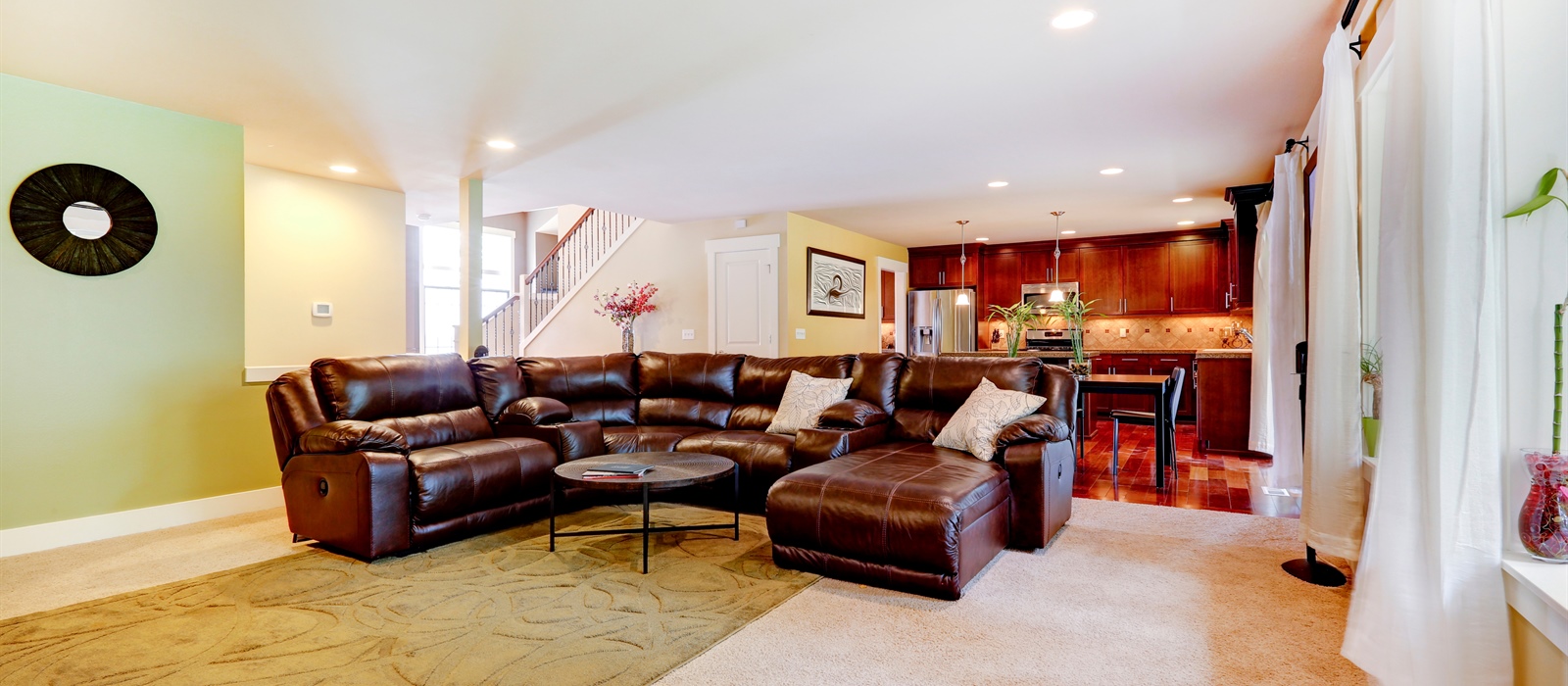
Finishing a basement can add valuable living space to a home, but it comes with a unique set of challenges—chief among them is the persistent threat of moisture and mold. Unlike above-grade rooms, basements are prone to damp conditions due to their location below ground, where water intrusion, condensation, and poor air circulation can quickly lead to mold growth.
Imagine investing time and money into a beautiful new basement living room or guest suite, only to discover months later that hidden mold is spreading behind walls or under flooring. That’s a scenario no homeowner wants to face. At Tschida Construction, we understand that a truly successful basement finishing project begins with understanding the science behind moisture control and applying best practices from the start.
We’ll explore exactly how to do that in this article, breaking down practical, evidence-based solutions that prevent costly damage and health concerns. If you want a finished basement that looks great and lasts a lifetime, keep reading!
Effective Waterproofing Methods Before Basement Finishing
Proper waterproofing is essential before any basement finishing project begins. The most reliable method starts with exterior waterproofing, including excavation around the foundation to apply waterproof membranes, install drain tiles, and ensure proper grading to divert water away from the structure. This type of system stops moisture before it penetrates the foundation walls, reducing the chance of seepage and pressure-based leaks. Additional solutions like sump pumps and exterior French drains work well in tandem with these systems to maintain dry conditions year-round.
Interior waterproofing complements exterior defenses. Sealants applied to concrete walls can help prevent capillary action that pulls moisture inward. Installing a drainage channel along the interior perimeter, connected to a sump pump, allows groundwater to move away without pooling or causing damage. These systems are particularly useful when exterior excavation isn’t feasible. Basement wall and floor crack injections using epoxy or polyurethane foam also seal potential entry points for moisture and help ensure long-term stability.
Whichever method is chosen, the goal is to establish multiple layers of protection before any framing or insulation begins. Proper waterproofing is the foundation of a lasting and healthy basement finishing project, preventing mold growth and costly repairs down the road.
Choosing Mold-Resistant Flooring Materials for Basements
Basement flooring must be selected with moisture resistance in mind, as these below-grade spaces are particularly susceptible to water vapor and occasional leaks. Mold-resistant materials like ceramic or porcelain tile, sealed concrete, and luxury vinyl plank (LVP) offer excellent performance in damp conditions.
These options are non-porous or have water-resistant cores, making it difficult for mold spores to take hold or spread. LVP, for example, often includes antimicrobial coatings and is designed to click together without adhesives that could degrade over time due to humidity.
Avoiding traditional carpet and untreated wood is key, as both can absorb moisture and serve as a food source for mold. Engineered wood products can be used in some cases if they include waterproof cores and are installed with a vapor barrier, but tile and vinyl remain the most reliable. An added benefit of tile and sealed concrete is their compatibility with radiant floor heating, which helps regulate humidity and prevents cold, clammy surfaces from encouraging condensation.
When integrated into a full home remodeling strategy, flooring materials that resist mold contribute to a basement environment that remains clean, safe, and structurally sound. Material selection plays a critical role in not only aesthetics but also long-term durability in finished basements.
The Role of Dehumidifiers and Ventilation in Moisture Control
Dehumidifiers and ventilation systems are critical tools in the fight against moisture and mold in basements. These systems work to control humidity levels, which, if left unchecked, can create conditions favorable for mold growth and structural decay. Dehumidifiers extract excess moisture from the air, maintaining relative humidity at or below 50%, a level at which mold spores struggle to survive. Modern dehumidifiers often include automatic sensors and pumps, making them ideal for low-maintenance basement use.
Mechanical ventilation—either through energy recovery ventilators (ERVs), heat recovery ventilators (HRVs), or dedicated exhaust fans—further enhance air quality by continuously exchanging stale indoor air with fresh outdoor air. This exchange reduces indoor humidity and removes airborne mold spores and pollutants. In homes with tightly sealed basements or finished spaces below grade, these systems are particularly effective at preventing air stagnation and maintaining a balanced, breathable environment.
Proper integration of these systems during the design and build phase of a finished basement is essential. By preventing humid, stale air from accumulating in the space, both dehumidifiers and ventilation systems protect the integrity of building materials and preserve indoor air quality over the long term.
Warning Signs of Moisture to Address Before Basement Construction
Before any construction or finishing begins, identifying and addressing existing moisture problems is crucial. Common warning signs include water stains on walls or floors, efflorescence (white, chalky deposits on concrete), a musty odor, peeling paint, and visible mold. Even small symptoms may indicate a more significant issue behind the walls or beneath the slab. Ignoring these early warnings can result in structural damage and necessitate expensive tear-outs after finishing work is complete.
In many cases, moisture enters through foundation wall cracks, poor exterior grading, or clogged gutters and downspouts. Conducting a thorough inspection with moisture meters, infrared cameras, or professional diagnostics can help locate hidden dampness. Homeowners should also monitor condensation on windows or pipes, which often points to high humidity or poor air circulation. Standing water or excessive dampness on the slab should be addressed before any flooring or wall systems are installed.
By resolving these conditions prior to framing, insulating, or adding drywall, the risk of mold and long-term degradation is greatly reduced. A moisture-free foundation is not only critical for successful finishing but also for occupant health and safety.
Proper Vapor Barrier Installation Without Long-Term Complications
Vapor barriers, when installed correctly, play a crucial role in preventing moisture migration from the soil into basement interiors. The most effective systems are installed on the warm side of the insulation—typically behind drywall or beneath flooring—using polyethylene sheets or specialized vapor-retarding paints. These materials block water vapor while allowing the wall or floor assembly to function as intended.
However, incorrect placement or material selection can trap moisture and lead to mold, rot, or structural damage over time. Key considerations include using Class I or II vapor retarders, sealing all seams and edges, and pairing with proper insulation and ventilation. Vapor barriers should never be combined with impermeable materials on both sides of a wall, which would form a “moisture sandwich” and restrict drying.
Instead, one side should allow for some degree of vapor diffusion to balance performance and breathability. Floor applications may require a barrier below slab insulation, especially in areas with high water tables. When vapor barriers are implemented with an understanding of building science principles, they help maintain stable indoor conditions without causing long-term moisture problems.
Build a Basement That Lasts with Tschida Construction
Preventing moisture and mold in a finished basement is about more than just selecting the right materials—it's about building with foresight and expertise. From waterproofing methods and mold-resistant flooring to ventilation systems, early moisture detection, and correctly installed vapor barriers, each element plays a role in protecting your home.
At Tschida Construction, we take a comprehensive approach to basement finishing, blending craftsmanship with science to deliver spaces that look great and perform even better. Whether you’re starting from scratch or addressing concerns in an existing basement, our experienced team is here to walk you through the process with clarity and care.
Don't leave your home vulnerable to hidden moisture problems! Let’s talk about how we can help transform your basement safely and effectively. Call us at 952-201-4190 or contact us online to start your project today.