Winter Deck Maintenance Tips for Minnesota Homeowners
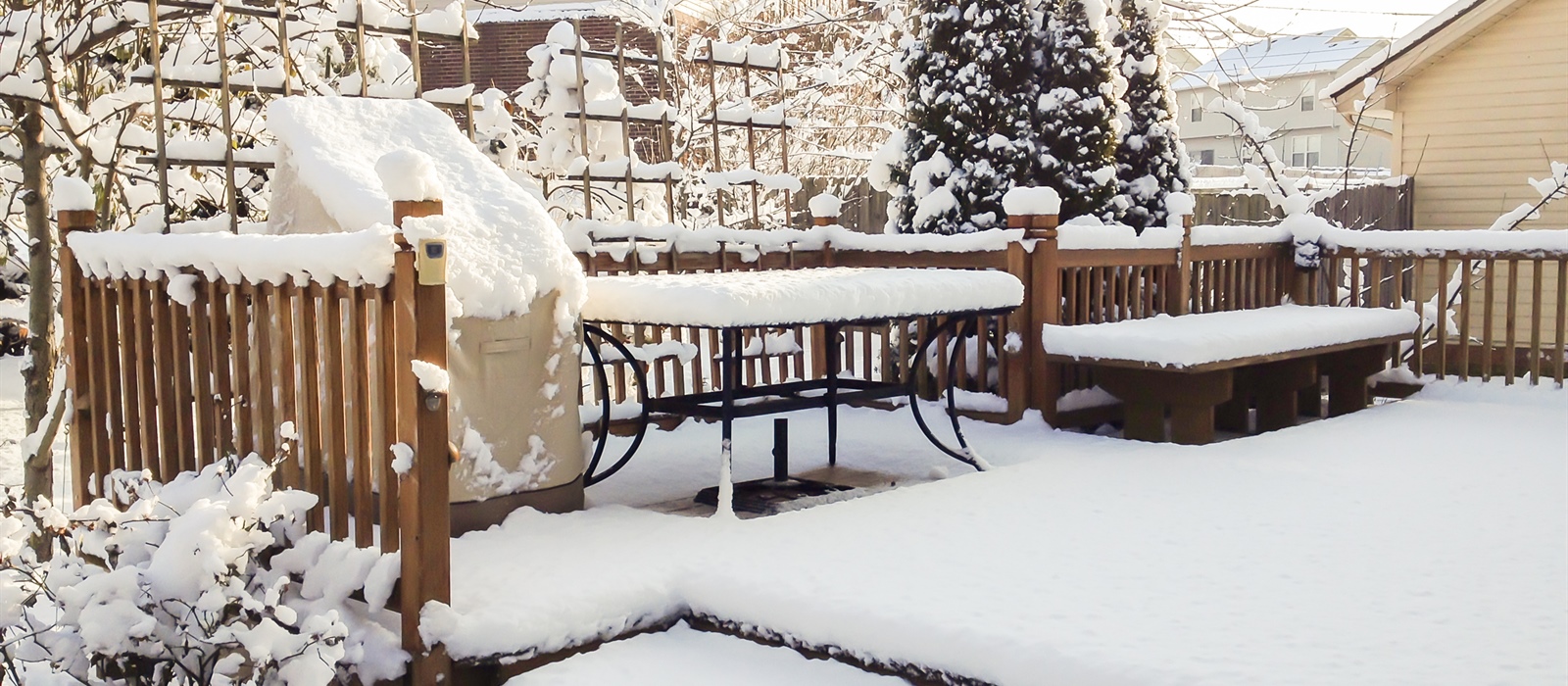
Living in Minnesota means preparing for everything winter can throw at you—from relentless snow to dramatic temperature swings. If you’ve invested in a deck, you already know it’s more than just a backyard feature—it’s an extension of your living space.
But winter can be brutal on outdoor structures, especially decks. When the snow piles up and temperatures drop below freezing, your deck faces real threats: moisture damage, surface cracking, and structural wear. Knowing how to maintain your deck during Minnesota winters helps protect your investment and keeps your outdoor space functional and safe all year long.
In this blog, we’ll answer the most pressing winter deck care questions, helping Minnesota homeowners protect their decks and avoid costly repairs. Keep reading to learn how to manage your deck through snowstorms, ice, and freezing temps—without compromising safety or structure!
How to Properly Shovel Snow Off Your Deck Without Causing Damage
Snow removal from your deck is necessary during a Minnesota winter, but how you do it can either extend your deck's life or cause damage. The general rule: if snow accumulation exceeds a few inches, especially wet, heavy snow, it’s time to shovel. Excess weight on your deck can stress joists and beams, especially when followed by cycles of melting and freezing. Letting snow accumulate unchecked can lead to warping, ice buildup, and even structural cracking in extreme cases.
Always use a plastic shovel, not metal. Metal edges can scrape, gouge, or splinter wood and composite surfaces, causing long-term damage. Shovel parallel to the deck boards to avoid catching edges or hardware. Avoid chipping ice directly from the deck boards; this can loosen fasteners or remove protective coatings. For decks with railings, be mindful of snow piled against them—it can cause undue pressure and potential weakening over time. Keeping the surface as clear as possible also helps prevent slippery conditions that may be hazardous for foot traffic.
Routine snow clearing during the winter doesn't just protect the deck structure—it also allows homeowners to continue using the space safely. This becomes especially important for decks connected to entryways or for those who frequently grill or enjoy winter outdoor living. When in doubt, regular removal using non-abrasive tools is a smart move for preserving surface finish and structural integrity.
Safe De-Icing Products for Winter Deck Maintenance
Choosing the wrong de-icing product can lead to serious damage to your deck. Many commercial ice melt products contain chemicals like calcium chloride or rock salt, which can corrode fasteners, stain wood, or degrade composite materials. For wood decks, especially those with sealants, these chemicals can accelerate aging and strip away protective finishes. Composite decks are also susceptible to staining and surface etching when exposed to harsh salts.
The safest options are calcium magnesium acetate (CMA) or pet-safe ice melts that are chloride-free. These alternatives are non-corrosive and environmentally friendly, reducing harm to both your deck and surrounding vegetation. Always check the product label to ensure it’s safe for the surface type of your deck—wood, composite, or PVC. Also, sweep away any remaining product residue after ice has melted to prevent long-term exposure that can still have a cumulative effect over time.
For maximum protection, apply a fresh sealant or water-repellent finish in late fall before ice buildup begins. This adds a buffer between the deck surface and any incidental chemical exposure. Safe de-icing techniques are just one aspect of managing your broader outdoor living environment effectively during winter months.
Preventing Moisture Damage During Freeze-Thaw Cycles
Minnesota winters are known for their freeze-thaw cycles, where moisture seeps into deck boards during the day and freezes at night. This expansion and contraction create internal stress that leads to cracking, splintering, or joint movement over time. Preventing moisture intrusion begins with proper fall preparation—cleaning debris from between boards, gutters, and downspouts that may drain near your deck area.
Sealants and water-repellent finishes provide critical protection by reducing the amount of moisture that can penetrate your deck materials. For wood decks, penetrating sealers with water-beading properties work best. They protect below the surface and reduce moisture absorption. Composite decks also benefit from annual maintenance washes to clear grime and prevent surface film buildup that can retain moisture and freeze.
Elevated airflow is also important. Decks built with proper spacing between boards and good under-deck ventilation are less likely to retain trapped moisture. If your deck is covered in snow for long periods, use the shoveling techniques discussed earlier to limit saturation. Preventing moisture damage requires seasonal planning, regular inspection, and maintenance actions targeted at minimizing the deck’s exposure to water in all its forms.
Safe Practices for Grilling and Using Fire Pits on Winter Decks
Grilling and fire pit use don’t have to stop during the Minnesota winter, but safety becomes even more critical when surfaces are icy or covered in snow. Always clear a wide radius around grills or fire pits. Make sure the surface is dry and free of combustible materials like fallen branches, furniture covers, or debris. If your deck has a fire pit installed as a permanent fixture, confirm it meets local building code requirements and is properly insulated underneath to protect the deck surface.
Propane and charcoal grills should be placed at least several feet from any railing, wall, or overhang, even in winter. Enclosures or temporary coverings for grilling should be fire-rated if used at all. Portable fire pits should be raised and set on fireproof mats to prevent heat transfer to the deck. Snow and cold weather can create unexpected challenges—ice may melt unevenly, and smoke drafts can behave differently in cold air, posing risks for enclosed spaces or nearby buildings.
Inspect all connections, fuel lines, and ignition systems before use. If using electrical ignition systems, confirm outlets and cords are weather-rated. Winter deck grilling and fire use can be enjoyable and safe with the right preparation and consistent caution. Permanent deck installations that include gas lines or built-in pits should be winterized by professionals to ensure ongoing performance and safety.
Post-Snow Structural Checks Every Homeowner Should Perform
After a significant snow event, decks should be inspected for weight stress and moisture damage. Begin by checking for sagging, warping, or unusual flex when walking across the surface. Excess weight from snow and ice can strain support beams and joists, particularly in older structures or decks that weren't built to current codes. Look for cracked boards, wobbly railings, and frost-heaved footings at the base—signs that the freeze-thaw cycle has shifted your structure.
Examine flashing and ledger boards, especially where the deck connects to your house. This area is prone to ice buildup and can lead to water penetration into your home if seals are compromised. Drainage paths should also be reviewed—clogged or blocked scuppers, downspouts, or under-deck runoff can contribute to long-term water pooling and rot. If your deck has stairs, make sure treads remain level and secure, as frost can shift posts or stringers.
Routine winter inspections help catch minor issues before they turn into expensive repairs. If you suspect structural stress or shifting, consult a professional builder or inspector with experience in cold-climate deck construction like Tschida Construction. Thorough post-snow checks are a key part of responsible deck ownership in Minnesota’s extreme winters.
How Tschida Construction Can Help You Maintain and Protect Your Deck This Winter
When it comes to winter deck maintenance in Minnesota, experience matters. Tschida Construction brings a deep understanding of how extreme weather affects outdoor living spaces and provides solutions that are as practical as they are durable.
Whether you need advice on snow removal techniques or want to upgrade your deck to better withstand freeze-thaw cycles, our team has the expertise to guide you through every season. Call us today at 952-201-4190 or contact us to schedule a consultation. Let’s make sure your deck is safe, strong, and ready for anything the Minnesota winter throws its way!